708.52(D) Ground-Fault Protection of Equipment. Selectivity.
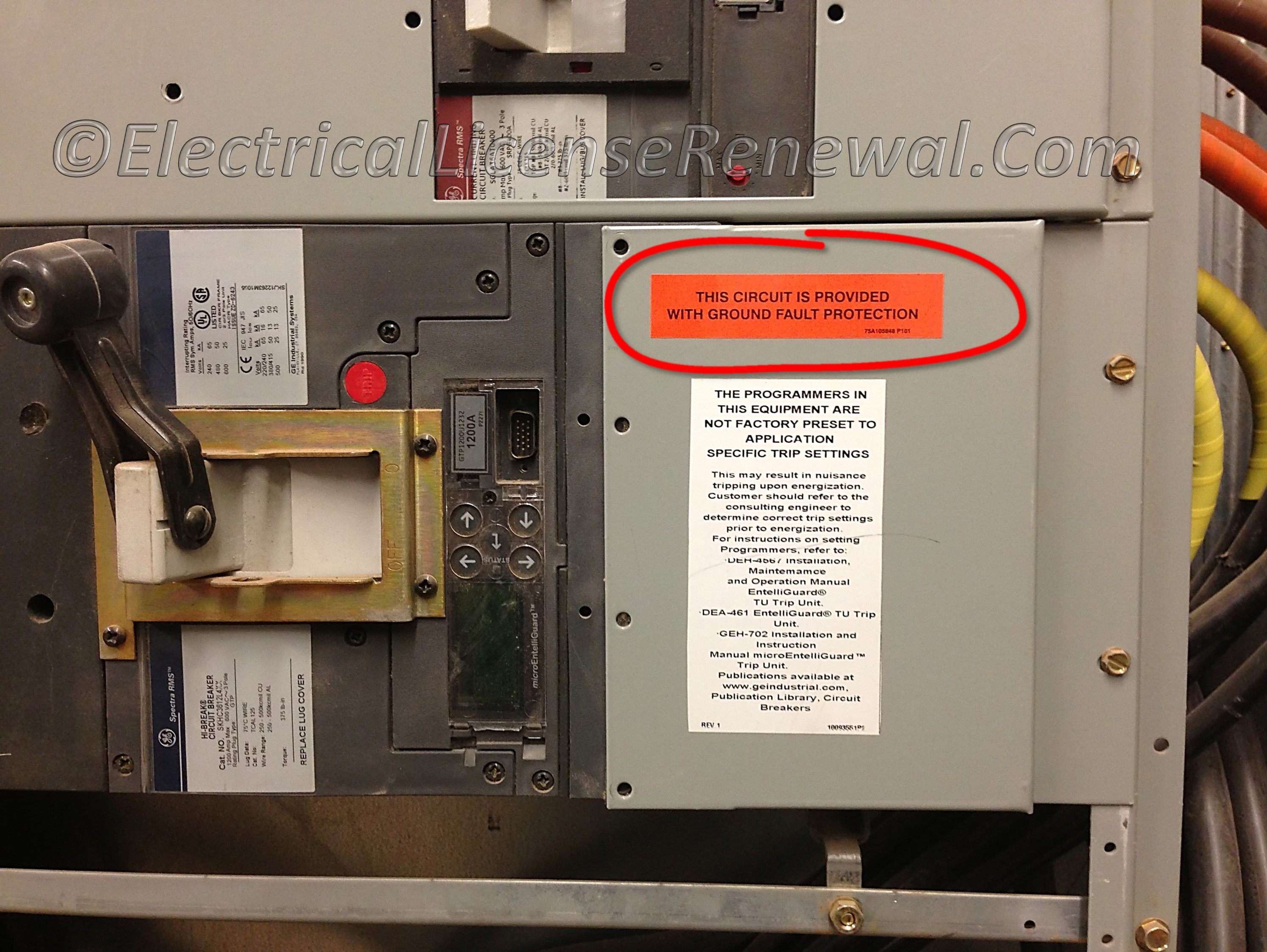
Code Change Summary: The selectivity requirements for ground-fault protection in 708.52(D) have been simplified.
Even though the selectivity requirements in 708.52 have been simplified, the code language is still tough for those that are not engaged primarily in the design of electrical systems. Not every requirement in the NEC® was specifically placed there for the installing electrician. Some NEC® rules can only be followed by design engineers, equipment manufacturers and nationally recognized testing laboratories while others can be directly followed by the installing electrician.
The old code language in this section required at least a six-cycle separation between the service and feeder ground-fault tripping bands. This ensured that the overcurrent device protecting a feeder, downstream of the main service disconnect, would open before the main service overcurrent device during a ground-fault condition on the load side of the feeder.
All of this code language is in place to ensure continuity of operations where electrical systems supply critical operations.
The new 2014 code language removes the six-cycle separation rule but makes it clear that the separation of ground-fault protection time-current characteristics shall conform to the manufacturer’s recommendations and shall consider all required tolerances and disconnect operating time to achieve 100 percent selectivity.
Below is a preview of the NEC®. See the actual NEC® text at NFPA.ORG for the complete code section. Once there, click on the “free access” tab and select the applicable year of NFPA 70 (National Electrical code).
2011 Code Language:
708.52(D) Selectivity. Ground-fault protection for operation of the service and feeder disconnecting means shall be fully selective such that the feeder device, but not the service device, shall open on ground faults on the load side of the feeder device. A six-cycle minimum separation between the service and feeder ground-fault tripping bands shall be provided. Operating time of the disconnecting devices shall be considered in selecting the time spread between these two bands to achieve 100 percent selectivity.
2014 Code Language:
708.52(D) Selectivity. Ground-fault protection for operation of the service and feeder disconnecting means shall be fully selective such that the feeder device, but not the service device, shall open on ground faults on the load side of the feeder device.
Separation of ground-fault protection time-current characteristics shall conform to the manufacturer’s recommendations and shall consider all required tolerances and disconnect operating time to achieve 100 percent selectivity.